


Modified Keto Diet for Seniors: What I Changed After 60
My modified keto diet for seniors is about everyday food choices, flexibility and occasional cheat days. Here’s what I learned after 60, without the medical hype.
Table of Contents
Introduction
A modified keto diet for seniors caught my attention when I started taking a closer look at my eating habits as I got older.
First, a little background. I’m not a doctor, dietitian or nutrition expert. I’m an average Joe in his 60s who enjoys good food, a decent cup of coffee and learning how everyday choices affect my well-being.
As I got older and began dealing with arthritis, prediabetes and high blood pressure, I became more interested in nutrition. I wanted to learn whether changes to my meals might help me manage my weight and feel better.
The ketogenic diet was one approach I explored. I spoke with my doctor and a nutrition professional before experimenting.
I learned something along the way. Strict keto wasn’t for me. A more flexible approach suited my lifestyle better.
And yes, I still enjoy a cheat day or two each week. Life without the occasional treat sounds a little too much like punishment!
The following is my personal experience, supported by links to medical and nutrition resources. This article is not dietary or medical advice.
What Is a Modified Keto Diet for Seniors?
A traditional ketogenic diet is a high-fat, very-low-carbohydrate eating plan. Its purpose is to encourage the body to use fat-derived ketones as an alternative energy source.
A modified keto diet generally allows more flexibility with carbohydrates and food choices.
There is an important distinction. Some medical programmes use precisely defined modified ketogenic diets. My approach is different. I describe my own routine as keto-inspired, lower-carbohydrate eating.
Quick Comparison
| Traditional Keto | My Modified Approach | |
|---|---|---|
| Carbohydrates | Strictly restricted | More flexible |
| Protein | Moderate | Part of regular meals |
| Vegetables | Selected lower-carb choices | Plenty of vegetables |
| Fibre-rich foods | Often restricted | Included |
| Occasional treats | Usually discouraged | One or two flexible days weekly |
| Main objective | Maintaining ketosis | Finding a sustainable eating routine |
My goal wasn’t to achieve ketosis or follow a prescribed percentage of fats, protein and carbohydrates. I wanted to make practical changes while keeping the pleasure of eating.
What Are the Benefits of a Keto Diet?
The keto diet attracts attention for several reasons, particularly weight management and blood-sugar control.
Research has identified short-term improvements in weight and certain metabolic measurements among some people following ketogenic diets.
Long-term results are less clear, particularly when researchers compare keto with other dietary approaches.
For me, the attraction was simpler. I wanted to pay closer attention to my food choices, reduce my reliance on processed sugary foods and build meals around ingredients I enjoyed.
That meant learning about nutrition rather than chasing dramatic promises.
Harvard’s review of the ketogenic diet provides a useful explanation of both the potential benefits and limitations.
What About the Drawbacks?
Keto isn’t suitable for everyone.
Strict carbohydrate restriction sometimes brings unpleasant symptoms, including fatigue, headaches, constipation and difficulty maintaining a varied diet.
Some ketogenic eating patterns also contain substantial saturated fat, while excluding foods providing valuable fibre and other nutrients.
These concerns matter for older adults who need adequate nutrition to support their daily lives.
Health Canada’s healthy eating guidance for seniors offers a useful starting point.
Keto Diet and Arthritis: Why I Was Interested
Arthritis was one reason I began looking more carefully at nutrition. Like many older adults, I wanted to understand whether changing my eating habits might influence how I felt.
You will find plenty of online articles promoting keto as an anti-inflammatory diet. The research deserves a closer look.
The Arthritis Foundation discusses the possible role of weight management and food choices in arthritis. Yet evidence is insufficient to establish keto as a treatment for arthritis symptoms.
Eating differently isn’t the same as treating arthritis.
I approached keto as one aspect of exploring better food habits, not as a replacement for medical treatment. If arthritis affects your daily routine, your healthcare team is the right source for personalised advice.
For broader context, see the Arthritis Foundation’s discussion of keto and arthritis.
Is a Keto Diet Good for Diabetics?
Prediabetes was another reason nutrition became more important to me. Understanding carbohydrates and blood sugar seemed a sensible place to start.
Diabetes Canada recognises lower-carbohydrate eating patterns as an option for some adults living with diabetes.
Yet reducing carbohydrates substantially requires care, especially when someone takes medication to manage blood sugar.
Certain diabetes medications raise the risk of low blood sugar or other serious complications when dietary intake changes.
I consulted my healthcare professionals before changing my approach. I recommend readers discuss significant dietary changes with their own medical team rather than copying another person’s routine.
Our medical histories, medications and nutritional requirements differ.
You will find a detailed explanation in the Diabetes Canada position statement on low-carbohydrate diets.
Keto After 60: My Personal Experience
This is where the article becomes less about keto theory and more about everyday life.
When I first explored the ketogenic diet, I read plenty about ketosis and the body’s transition to using more fat for energy. I wasn’t comfortable with how I felt while trying a stricter approach.
Rather than pushing through simply to follow the rules, I changed direction.
I started thinking about individual meals instead of treating the entire day as a nutritional mathematics examination.
I reduced processed sugars, paid more attention to ingredients and kept foods I enjoyed.
I also learned that maintaining a routine matters more to me than following a diet perfectly for a few weeks.
Why Flexibility Matters to Me
As I’ve gotten older, I’ve become less interested in strict dietary rules.
I want meals that fit my schedule, appetite, budget and personal preferences.
I don’t want to spend every waking moment calculating carbohydrates. And I certainly don’t want to feel guilty about sharing a meal with friends.
My approach gives me room to enjoy food while remaining mindful of everyday choices.
The National Institute on Aging emphasises varied foods, adequate protein and practical meal planning for older adults. That broader perspective makes sense to me.
My Custom Modified Keto Diet
My routine developed gradually. I began making adjustments to familiar meals instead of replacing everything in my kitchen.
Breakfast: Keeping Some Fibre
I often choose a modified keto-style breakfast while including a fibre-rich food such as bran cereal or a bran muffin.
That’s not a traditional ketogenic breakfast. I’m perfectly comfortable with that distinction.
Lunch: My Smoothie Routine
Lunch often involves a smoothie.
I prepare smoothies after grocery shopping, which helps simplify meals during the week.
As with any meal, the nutritional value depends on the ingredients and portions.
I’ve written separately about whether a smoothie diet is right for you.
Dinner: Keto-Inspired Meals
Dinner is where I draw most heavily from keto-style recipes.
I enjoy including protein foods, vegetables and ingredients such as olive oil. I try to include plenty of green vegetables.
My aim is a satisfying meal, not a plate overflowing with butter and bacon simply because the recipe has a keto label.
My One or Two Cheat Days Each Week
Here’s something you won’t always read in a strict keto diet guide.
I have one or two cheat days during the week.
Sometimes I want a meal outside my usual routine. Sometimes an occasion calls for something different. I enjoy those meals.
For me, this flexibility is part of why my modified approach is easier to live with.
I don’t view food as a reward for good behaviour or a punishment for breaking rules.
Of course, flexible eating is not the same as maintaining nutritional ketosis. More carbohydrates generally interfere with ketosis, depending on the amount consumed and individual circumstances.
I’m not claiming otherwise. I’m describing a lower-carbohydrate eating pattern influenced by keto, rather than a strict ketogenic programme.
And I’m certainly not suggesting everyone should schedule cheat days. Someone managing diabetes or another medical condition might need a different approach entirely.
Is a Modified Keto Diet for Seniors Worth Considering?
I think the subject deserves attention, but not because everyone over 60 should try keto.
Our nutritional needs, medications, medical histories and personal preferences change how we approach food.
A thoughtful conversation is worth more than an online promise of miracle results.
Before making substantial changes, consider discussing these questions with a doctor or registered dietitian:
- Am I getting enough protein and fibre?
- Will restricting carbohydrates affect my medications?
- Are my meals providing adequate vitamins and minerals?
- Is my chosen eating pattern appropriate for my health?
- Will I enjoy eating this way over the long term?
Frequently Asked Questions
Is a modified keto diet suitable for seniors?
Suitability depends on individual health, medication use and nutritional needs. A less restrictive diet is not automatically appropriate for everyone.
Is modified keto the same as traditional keto?
No. Traditional keto generally requires substantial carbohydrate restriction to maintain ketosis. Modified approaches vary, and some have specific medical definitions.
Does a modified keto diet help with arthritis?
Current evidence does not establish modified keto as an arthritis treatment. Weight management and overall dietary quality are separate considerations worth discussing with healthcare professionals.
Is modified keto safe for people with diabetes?
Some lower-carbohydrate eating patterns suit certain people with diabetes, but medication adjustments and monitoring might be necessary. Professional guidance is essential.
Are cheat days allowed on a modified keto diet?
There is no universal rule. My approach includes one or two flexible days each week, but I don’t follow a therapeutic ketogenic programme or attempt to maintain continuous ketosis.
My Final Thoughts on Modified Keto Diet for Seniors
Exploring a modified keto diet for seniors taught me something useful about my relationship with food.
I don’t need a perfect diet. I need an eating routine I enjoy and feel comfortable maintaining.
I’ve taken ideas from keto, adjusted my meals and left room for occasional treats.
This approach suits my preferences. I don’t have evidence proving the same routine will deliver particular health outcomes for someone else.
If you’re curious about changing how you eat, start by learning about your nutritional needs and speaking with qualified professionals.
And remember, enjoying your food still matters.
Have you tried keto or another lower-carbohydrate eating plan? I’d love to hear what suited your lifestyle and what you decided wasn’t worth the trouble.
Optional Keto Recipes and Meal Planning
A modified keto diet for seniors should be about informed choices, not buying a programme. Still, if you enjoy exploring keto-inspired recipes, these are optional resources linked from my original article. I have not independently reviewed their recipes, current prices or suitability for specific medical needs.
Affiliate disclosure: The following images and links are affiliate links. If you buy through one, Big Al’s Coffee Club may earn a commission at no additional cost to you. These are commercial resources, not medical recommendations.
Custom Keto Diet programme: The original post linked to this optional third-party meal-planning programme. Review the provider’s current terms and offerings yourself. A commercial quiz is not a medical assessment.
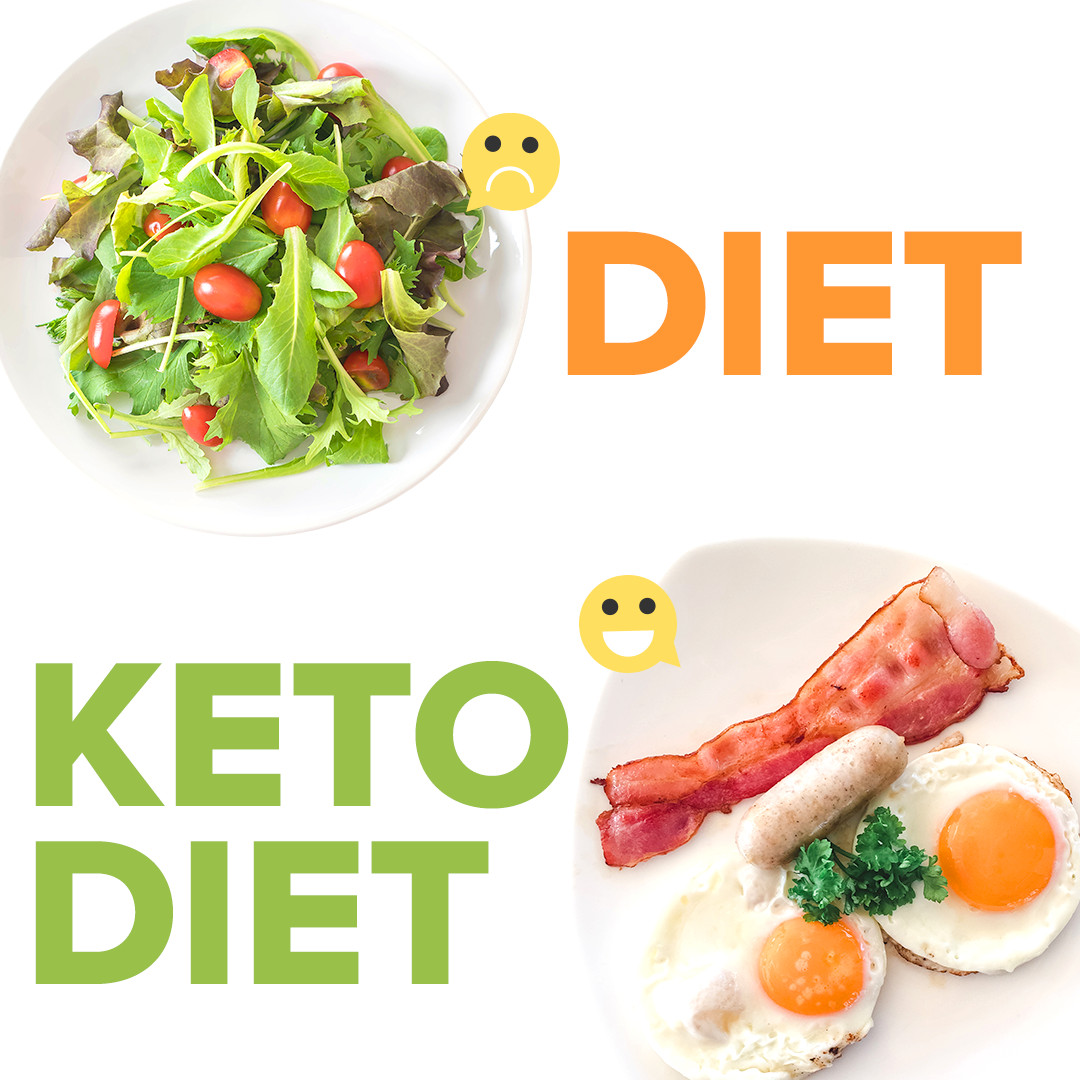
Explore the Custom Keto Diet questionnaire and meal-planning option (affiliate link).
Keto recipe collections: These three cookbooks offer optional inspiration for soups, breads and other keto-style meals. Check ingredients and nutrition information to decide whether a recipe fits your circumstances.
Keto Soup Cookbook – bonus

More From Big Al’s Coffee Club
Medical and Nutrition References
- Harvard T.H. Chan School of Public Health: Ketogenic Diet Review
- Diabetes Canada: Low-Carbohydrate Diets for Adults With Diabetes
- Arthritis Foundation: Keto Diet and Arthritis
- Health Canada: Healthy Eating for Seniors
- National Institute on Aging: Healthy Meal Planning Tips
Medical Disclaimer
I am not a doctor, dietitian or licensed healthcare professional. This article shares my personal dietary experiences and general educational information.
The information is not intended to diagnose, treat, prevent or manage any medical condition.
Before significantly changing your diet, especially if you have diabetes, kidney disease, heart disease or take prescription medications, consult your physician or registered dietitian.
Never adjust medications based on information from this website.