

Best Tea for Older Adults: Everyday Choices Without the Hype
Compare everyday teas by flavour, caffeine, convenience and value, with an honest look at healthy aging research and practical questions for your pharmacist.
Table of Contents
Introduction
Best tea for older adults? Start with a flavour you enjoy, a caffeine level which suits your day, and ingredients appropriate for you. There is no universal winner, and I would not buy a tea because the box promises younger skin or happier knees.
My own afternoon choices have included green tea and jasmine tea, with chamomile later in the day. I love coffee, but sometimes I want a different cup and a quieter moment.
Expecting my knees to return to their 1985 condition feels like asking rather a lot of the kettle.
A quick health note: I am a coffee and tea enthusiast, not a medical professional. This guide helps you compare drinks and understand research limits. Ask your pharmacist or clinician about ingredients if you take medicines or have health concerns.
Best Tea for Older Adults: A Quick Comparison
The best tea for older adults depends on preference and circumstances. Use this comparison to narrow your shopping list, rather than rank teas as treatments.
| Tea | Typical flavour | Caffeine | Why consider this cup? |
|---|---|---|---|
| Black tea | Brisk, malty or robust | Usually present | A familiar morning brew, plain or with milk |
| Green tea | Grassy, vegetal or gently toasted | Usually present | A lighter tasting alternative to a strong black tea |
| Jasmine tea | Floral, with flavour depending on the tea base | Usually present when made with green or black tea | Fragrance without needing a heavily sweetened drink |
| Decaffeinated black or green tea | Varies by brand and brewing | Reduced, rather than necessarily zero | A familiar tea style with less caffeine |
| Chamomile infusion | Floral and mild | None in pure chamomile | A caffeine-free option if the ingredient suits you |
Flavour varies with the blend and brewing. Traditional tea contains caffeine; herbal ingredients need checking individually. See Harvard’s tea overview and Health Canada’s caffeine guidance for background.

Everyday Teas Worth Considering
Black Tea for a Familiar Morning Cup
If you like a fuller tasting drink, start with black tea. Read the tasting description and buy a small packet first. There is no need to acquire a cupboard full of tea before breakfast.
I would compare two ordinary blends before paying extra for a wellness label. The best tea for seniors should earn a place through enjoyment and value.
Green and Jasmine Tea for a Different Flavour
Green tea offers a different flavour direction from a robust black tea. Jasmine describes a floral scenting style, so check the base tea and the caffeine information.
My afternoon jasmine habit belongs in the enjoyment column. I am not counting each cup as a medical intervention.
Chamomile or Decaf When Caffeine Matters
A decaffeinated version is worth considering if you prefer traditional tea flavour with less caffeine. Pure chamomile offers a different, floral option.
Chamomile is often marketed for sleep, but evidence for treating insomnia is limited. NCCIH’s chamomile guidance explains the research and safety questions. Enjoying a bedtime ritual and treating a sleep disorder are different matters.
For a broader introduction to herbal flavours, read Best Herbal Tea for Beginners. Choosing the best tea for older adults should start with a cup you want to finish.
Tea for Healthy Aging: What Does Research Say?
Tea for healthy aging is an interesting research topic. Turning those findings into a promise on a tea box is another matter.
A longitudinal study involving cohorts in China and the UK associated tea consumption with slower changes in an estimated biological-age measure. Researchers calculated this measure using health measurements. They did not demonstrate tea made participants younger.
An association means two things occurred together. Other habits and circumstances might help explain the relationship. The study does not establish a particular tea as an anti-aging treatment.
Both Harvard’s review of tea research and NCCIH’s green tea summary describe limits and inconsistencies in human evidence. Laboratory findings and studies of concentrated extracts do not automatically describe the effects of an ordinary mug.
For this guide, tea for healthy aging means a drink which fits a sensible everyday routine. I would not choose the best tea for older adults by chasing the biggest antioxidant number.

Skin, Joints and Blood Sugar: Keep Expectations Grounded
The earlier version of this article went too far with claims about wrinkles, collagen, arthritis relief and blood sugar. Those promises have been removed.
- Skin: this guide does not recommend drinking tea to prevent wrinkles, heal damaged skin or increase collagen.
- Joints: I would not buy a blend expecting reliable arthritis pain relief. Discuss persistent or changing pain with your medical team.
- Blood sugar: choosing an unsweetened drink avoids adding sugar to the cup. This is different from claiming tea lowers blood sugar or manages diabetes.
If you are comparing the best tea for older adults because of a specific condition, ask a qualified professional about your situation. A general tea guide does not provide an individual treatment plan.
I also skip products sold as detox or age-defying necessities. Taste and clear ingredients are better reasons to open my wallet.
Choosing Tea as You Get Older: Caffeine and Timing
Choosing tea as you get older involves looking at your whole day. Include coffee, tea and other caffeine sources when reviewing your intake.
Caffeine affects sleep and some people are more sensitive than others. Health Canada advises lowering intake or avoiding caffeine if you are sensitive. The NHS sleep guide also identifies caffeinated drinks as a possible sleep disruptor.
Green tea and jasmine tea are not automatically caffeine-free. Read the ingredients and product information. Decaffeinated and caffeine-free are different labels.
The best tea for older adults who want less caffeine might be a decaffeinated traditional tea or a suitable caffeine-free infusion. Choose according to the label and your own response.
My Coffee for Older Adults guide helps you review the coffee side of your routine too. Switching drinks without checking caffeine is a rather sneaky way to keep the same problem.
Who Should Check with a Pharmacist?
Herbal does not mean suitable for everyone. NCCIH’s green tea guidance and chamomile guidance describe medicine interactions and other cautions.
- Take a photo of the ingredient list to your pharmacist if you take regular medicines.
- Mention allergies, including reactions to plants, before choosing unfamiliar herbal ingredients.
- Distinguish brewed tea from extracts, capsules and concentrated powders.
- Follow any individual instructions about caffeine or fluid intake from your medical team.
- Seek medical advice for ongoing symptoms rather than repeatedly changing teas.
For chamomile, plant allergies and possible medicine interactions deserve particular attention. Your pharmacist needs the actual ingredients, not only the soothing name on the front.
Choosing tea as you get older should simplify your routine. If a blend adds uncertainty, leave the packet on the shelf until you have an answer.
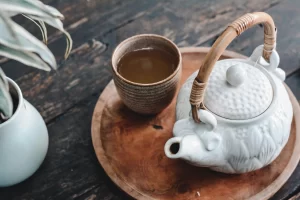
How to Choose the Best Tea for Older Adults
My buying checklist for the best tea for older adults is deliberately unglamorous. Glamour has already sold enough expensive cupboards full of things.
- Pick a flavour: brisk, floral, grassy or mild. Use your existing preferences as a starting point.
- Check caffeine: look at the tea base and every added ingredient.
- Read the full list: a simple blend is easier to assess than a mysterious wellness mixture.
- Compare cost per serving: divide the price by the stated number of servings. Include delivery when shopping online.
- Buy small: sample before committing to a large tin.
- Choose convenient preparation: tea bags are perfectly respectable. Loose leaf is optional, rather than an entrance exam.
If supporting local businesses matters to you, use my Canadian tea brands guide as a starting point. Check each company’s current ownership and where the tea is blended or packaged. A Canadian address alone does not answer every sourcing question.
I would rather spend money on a tea I enjoy than pay a premium for a rejuvenation slogan. The best tea for seniors does not require a luxury price tag.
Build a Simple Tea Routine
Start with one familiar tea and one alternative. Brew according to the packet before adjusting strength to your preference.
- Choose a mug which is comfortable to hold.
- Set a timer rather than forgetting the bag while answering the phone.
- Let the drink cool to a comfortable temperature.
- Taste before adding sweetener.
- Note whether you enjoy the flavour and whether the timing suits you.
An optional tasting note needs only three words: flavour, strength and enjoyment. Nobody is marking your homework.
The best tea for older adults is easier to identify after a few ordinary cups than after an evening reading miracle claims. A pleasant break is a perfectly good outcome.

Questions About the Best Tea for Seniors
What Is the Best Tea for Older Adults to Drink Every Day?
There is no single choice for everyone. Start with an enjoyable flavour, check caffeine and ingredients, and follow individual medical guidance. Familiar black tea, green tea, decaf or a suitable herbal infusion are options to compare.
Is Chamomile Guaranteed to Help Me Sleep?
No. Treat chamomile as a beverage option, rather than a proven insomnia treatment. Check suitability if you take medicines or have plant allergies. Persistent sleep trouble deserves a conversation with your clinician.
Does Any Tea Reverse Aging?
The research discussed here does not establish a tea which reverses aging. Findings about biological-age measurements or plant compounds do not justify promises about younger skin, restored joints or a longer life.
Are Tea Bags Good Enough?
Absolutely, for everyday convenience. Choose by flavour, ingredients and value. If loose leaf preparation feels like a chore, a tea bag is a sensible choice.
What Should I Buy First?
A small packet of a familiar style and, if suitable, a caffeine-free alternative. Avoid spending heavily until you know which flavour you enjoy. Choosing tea as you get older need not become another expensive hobby.
Conclusion: Choose Your Cup, Skip the Hype
The best tea for older adults is an enjoyable, affordable cup which suits your circumstances. Research deserves a fair reading, and health promises deserve scrutiny.
I am keeping the afternoon tea, the comfortable chair and the occasional biscuit. The kettle has enough work without taking responsibility for my date of birth.
Your next step: check the caffeine and ingredients on your usual packet. Then tell me your favourite everyday tea in the comments. Are you a black tea traditionalist, a jasmine fan or still searching?
Related Reading from Big Al’s Coffee Club
- Best Herbal Tea for Beginners: Find Your First Favourite
- Canadian Tea Brands: Canadian Tea Companies Worth Trying
- Coffee for Older Adults: Caffeine, Timing and Decaf
Research and Health References
These sources explain the evidence, caffeine considerations and ingredient cautions. Read the original guidance for detail relevant to your circumstances.
- Health Canada: Caffeine in Foods
- Harvard Nutrition Source: Tea
- NCCIH: Green Tea, Usefulness and Safety
- NCCIH: Chamomile, Usefulness and Safety
- Primary research: Tea Consumption and Biological Aging
- NHS: Sleep Problems
Medical Disclaimer
I am not a doctor, pharmacist or registered dietitian. This article provides general information and personal perspective. No professional medical review of this post is claimed.
Ask your clinician, pharmacist or registered dietitian about tea ingredients, caffeine and interactions if you have health conditions or take medicines or supplements. Follow your individual medical advice. Do not stop or change treatment based on this article.