



Table of Contents
Could the Secret to a Healthier Coffee Be Sitting in Your Pancake Topping?
Maple syrup coffee health benefits may sound like an excuse to drizzle something sweet into your morning cup, but I promise there’s more to it than that. I’ve been experimenting with coffee sweeteners for years, searching for something that tastes great and doesn’t make me feel like I just drank dessert. As a senior who enjoys his coffee ritual, I want flavour, balance, and some small health perks along the way.
Let’s face it, many of us grew up adding spoonfuls of refined sugar to our coffee without a second thought. These days, though, we know better. Refined sugar is linked to weight gain, fatigue, and those dreaded afternoon crashes. So, when I first heard that maple syrup might actually be a healthier coffee sweetener, I grabbed a bottle of pure maple syrup from Quebec and started researching.



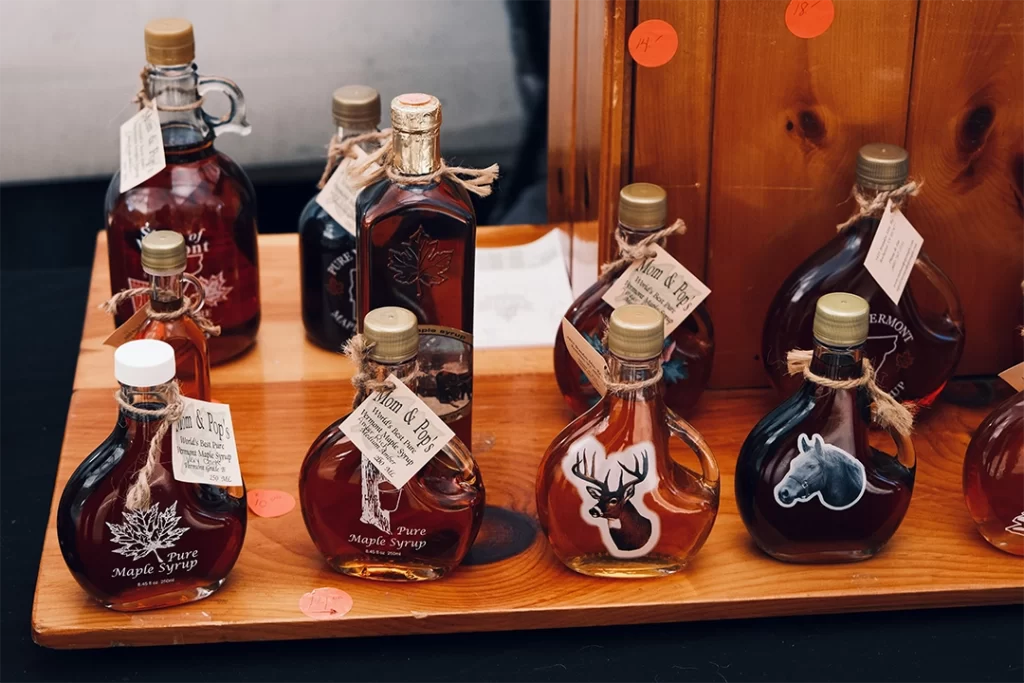
Why Maple Syrup Belongs in Your Coffee Cup
Here’s what I discovered. Maple syrup isn’t just another natural sweetener; it’s a refined sugar alternative with real nutrients inside. A single serving contains minerals like zinc and manganese, and dozens of antioxidant compounds. These antioxidants, along with plant-derived molecules called polyphenols, may help reduce inflammation and support gut health.
That’s not to say you can pour half a cup of syrup into your mug and call it healthy. Moderation is still key. But when used sparingly, maple syrup has a lower glycemic index than white sugar, meaning it causes fewer blood sugar spikes. Some studies even suggest maple syrup may help with cardiometabolic risk factors, like lower blood pressure and maintaining healthy weight levels, which makes it appealing for us older adults watching our energy and waistlines.
And yes, it’s delicious. The taste of Canadian maple syrup in coffee creates a smooth, warm sweetness that blends beautifully with both dark and medium roasts. It’s the kind of flavour that makes your morning cup feel like a small indulgence rather than a guilty pleasure.
Healthy Coffee Sweeteners Canada: What Makes Maple Syrup Stand Out
When you look at healthy coffee sweeteners in Canada, the options can feel overwhelming. There’s honey, stevia, agave, coconut sugar, monk fruit, and a dozen other names that sound more like chemistry experiments than natural ingredients.
But maple syrup in coffee benefits go beyond taste. It’s local, sustainable, and fits perfectly with a “buy Canadian” mindset. Every spoonful supports farmers who tap trees in small family-run operations instead of massive industrial sugar plants. That’s something I can feel good about while sipping my morning brew.
For those of us who grew up in Canada, maple syrup also brings nostalgia. There’s a sense of home in that aroma — and that connection to nature might be the best mental health perk of all.

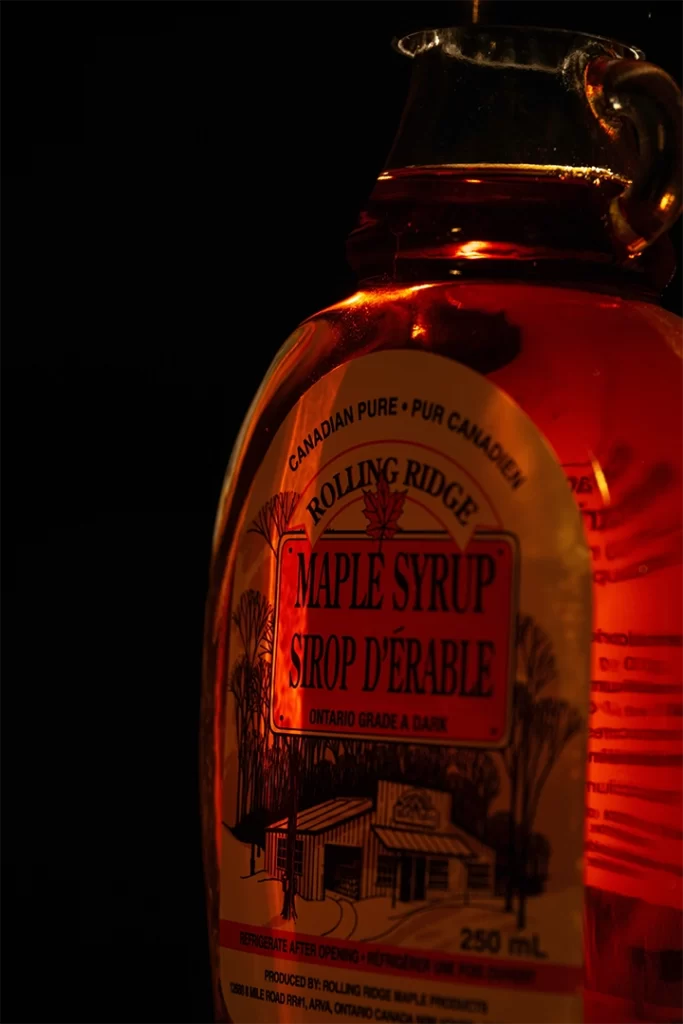
Comparing Maple Syrup vs Honey in Coffee
People often ask me, “Is maple syrup good in coffee?” My answer: absolutely, but let’s talk about why it might be even better than honey.
Both are natural sweeteners, but honey’s flavour can sometimes overpower your coffee. Maple syrup, on the other hand, melts seamlessly, offering sweetness without masking the coffee’s aroma. It also contains fewer calories per serving and, according to several nutrition studies, more antioxidant compounds.
When comparing maple syrup vs honey in coffee, maple syrup wins for gut health and ease of digestion. Honey can be tricky for people sensitive to certain sugars, while maple syrup’s composition tends to be gentler on the stomach. That’s particularly important for older adults dealing with digestive changes.
And then there’s the science angle. The polyphenols in maple syrup are being studied for their anti-inflammatory properties and potential impact on visceral fat, or what most of us call belly fat. I’m not saying you’ll get six-pack abs from your morning coffee, but it’s nice to know that your sweetener choice could be doing something positive behind the scenes.
How to Make the Perfect Maple Coffee at Home
I’ve tinkered with a few recipes, and here’s my favourite easy method for anyone curious to try.
Maple Coffee Recipe for Seniors
- Brew one strong cup of your favourite coffee.
- Stir in one teaspoon of pure Canadian maple syrup.
- Add a splash of oat milk or cream (optional).
- Sprinkle with cinnamon for an antioxidant boost.
The result is smooth, aromatic, and naturally balanced. If you prefer iced coffee, the same recipe works beautifully — just pour over ice and skip the milk if you like it black.
For those trying to reduce refined sugar, this is a simple way to start substituting sugar with maple syrup. You’ll still get that touch of sweetness without spiking your blood sugar levels.
As someone who’s always testing healthy coffee sweetener alternatives, I can confidently say that maple syrup tops the list for both taste and well-being.
(And no, I’m not a doctor or nutritionist — just a guy who loves researching health and fitness for seniors because I’m one myself!)


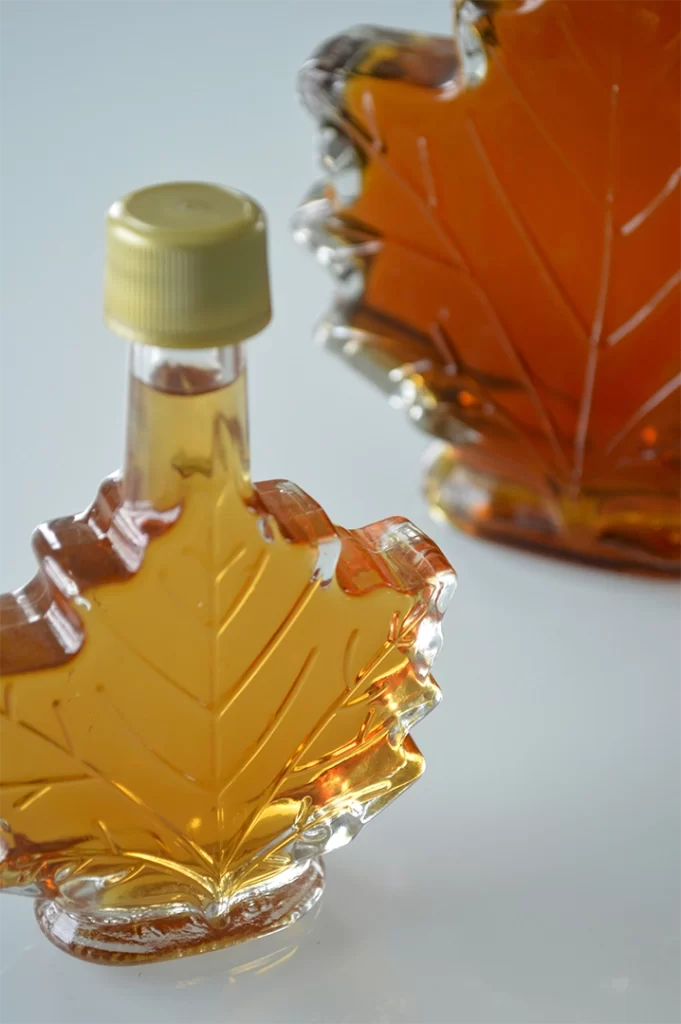
Best Healthy Coffee Sweetener for Older Adults
If you’re wondering about the best healthy coffee sweetener for older adults, it really depends on your health goals.
- If you want something local and nutrient-rich, maple syrup is a winner.
- For zero calories, try stevia or monk fruit, though they can have an aftertaste.
- For digestive balance, stick with natural sweeteners for older adults, like honey or maple syrup in small amounts.
What matters most is moderation. Replacing refined sugar with healthy sweetener alternatives can have lasting benefits, especially when combined with a balanced diet and regular exercise.
Best Sweetener for Gut Health
Gut health has become a buzzword, but for good reason. A healthy gut supports digestion, mood, and even immunity. Some experts believe that the plant-derived molecules in maple syrup may nourish beneficial gut bacteria.
That makes it one of the best sweeteners for gut health, especially when compared to artificial options like aspartame or sucralose, which can disrupt gut flora.
If you’re someone like me who enjoys two cups of coffee before breakfast, swapping your sugar for maple syrup might just be the easiest wellness upgrade you’ll make this week.
Some Frequently Asked Questions
1. Can I use any kind of maple syrup in coffee?
For the best results, use pure maple syrup — not table syrup or pancake syrups with corn syrup additives. Look for Grade A Amber or Dark for richer flavour.
2. Does maple syrup change the taste of coffee a lot?
It enhances it. The flavour is smooth, slightly caramel-like, and complements medium or dark roasts beautifully.
3. How much maple syrup should I use per cup?
Start with one teaspoon and adjust to taste. You’ll likely need less than you think since the natural flavour is so rich.
4. Is maple syrup better than artificial sweeteners?
For most people, yes. Maple syrup is a natural sweetener with nutrients, while artificial sweeteners can trigger cravings and gut issues. Always consult your doctor if you’re managing diabetes or specific conditions.
Conclusion: Small Change, Big Sip of Goodness
Adding maple syrup to your coffee isn’t a health miracle, but it’s a smart, delicious swap for anyone trying to reduce refined sugar. For me, it’s become part of my morning ritual — one that feels both indulgent and responsible.
Maple syrup coffee health benefits go beyond taste. It’s about enjoying something simple, natural, and proudly Canadian. Every cup reminds me that small choices add up, especially for us seniors aiming to stay vibrant, active, and a little bit sweet.
Some of our Other Posts You Might Like:
- Immune-Boosting Teas for Cold and Flu Season
- Easy Diet Smoothie Recipes for Seniors
- How to Brew the Perfect Coffee at Home
- Healthy Snacks to Pair with Your Coffee
Some External References We Used for Research:
- Government of Canada: Nutrition Facts on Maple Syrup
- Earth.com: Health and Weight Benefits of Maple Syrup
- Harvard Health: The Science Behind Sweeteners
- Maple from Canada: Official Maple Information
- Mayo Clinic: Sugar Alternatives and Health
- Canadian Maple Syrup Producers Association
- Cleveland Clinic: Gut Health and Natural Foods
Please note: the opinions expressed in this post should never be construed as advice. The thoughts are based on my experiences and those of my friends and family. I am not a restauranteur or a formal barista. I just love coffee and love sharing what I learn with everyone. Please enjoy and share your favourites in the comments section.
Also: If considering a change in diet, exercise, nutrition and or supplements, you must consult your medical practitioner to make sure that what you are about to embark upon doesn’t interfere with your current treatments.
Another note: on images, if the picture does not have my logo, I have downloaded from either Unsplash or iStock. If you are looking for images please check them out.
photo acknowledgements
- Clay Banks
- Courtney Smith
- Mike Kennelly
- Nadine Primeau
- Nathan Dunlap
- Sara Gault
- Wei Chen
Please head over to unsplash and support these artists


Hi, I’m Al, a coffee and tea enthusiast passionate about helping you craft the perfect cup. With years of experience exploring blends, brewing methods, and nutrition, I share trusted tips and recommendations to make your coffee and tea rituals extraordinary. See more in About Us